
Future-Proofing Your Supply Chain: The Logistics Trends That Matter Most
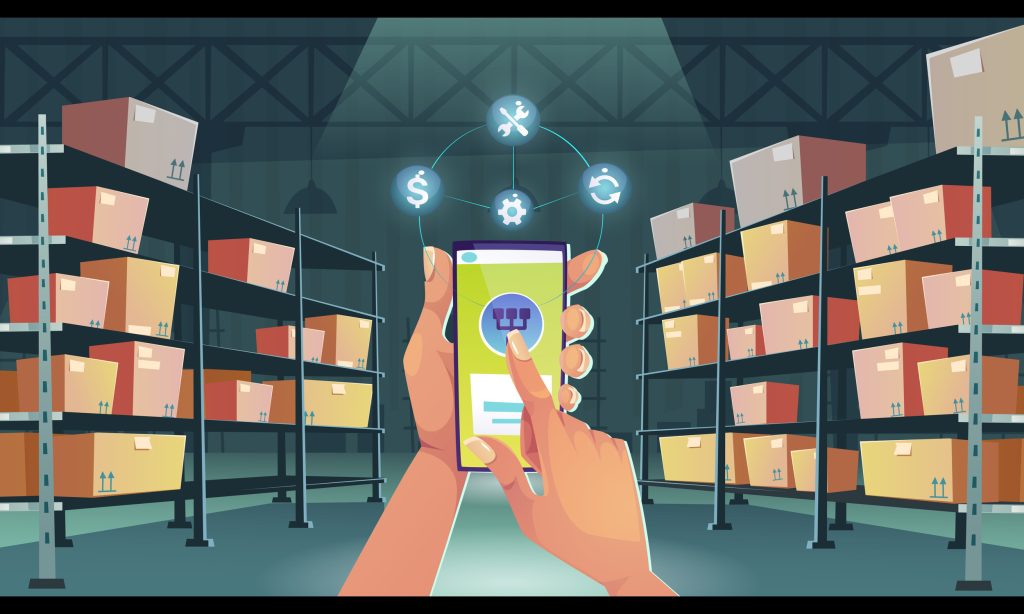
The global logistics industry is moving at a breakneck pace, driven by compressed e-commerce delivery windows, persistent labor shortages, and an unprecedented shift toward automation. For Original Equipment Manufacturers (OEMs) building the next generation of industrial robotics, AS/RS cranes, and vertical storage, keeping up with physical mechanical engineering is no longer enough to secure market dominance. The real transformations defining the next five years are taking place in the digital execution layer.
Modern enterprise buyers are no longer just purchasing heavy iron, fast shuttles, or durable steel racking; they are buying scalable, resilient automation ecosystems. If you want to ensure your hardware designs remain highly competitive and future-proof for your clients, here are the dominant technology trends shaping the future of warehouse software.
1. The Shift to “Zero-Touch” Ambient Data CaptureThe days of warehouse associates walking up and down aisles with handheld RF guns, manually scanning individual barcodes, are drawing to a close. Manual data entry is slow, highly prone to human fatigue, and creates massive physical bottlenecks at the picking face of expensive automated machinery.
The future belongs to ambient data capture. By pairing advanced WES software with integrated weight sensors, RFID arrays, and optical vision systems, the warehouse floor becomes completely self-logging. When an operator pulls an industrial part from an automated VLM tray, the software verifies the transaction invisibly in the background based on real-time weight differentials or ambient RFID tag detection. The physical movement is the data entry. This eliminates human logging errors entirely and keeps your hardware running at maximum speed.
2. Dynamic Order Throttling Over Static BatchingTraditional distribution center fulfillment relied heavily on static “wave picking,” where orders were batched, locked in, and pushed to the floor in rigid morning and afternoon schedules. In today’s volatile supply chains, a static wave can become completely obsolete twenty minutes after it is generated due to changing order cancellations, shipping delays, or inventory shortages.
Modern warehouse execution must transition to dynamic order throttling. The execution software needs to constantly evaluate the live queue, calculating optimal pick paths, tray presentations, and shuttle assignments on the fly. If a high-priority “rush” order arrives, the system dynamically routes around existing material traffic to fulfill it instantly without requiring a manual supervisor override or stopping the entire floor.
3. The Demand for Open API ArchitectureEnterprise clients are increasingly tired of being locked into restrictive, proprietary software ecosystems that charge exorbitant fees for minor custom modifications or hardware add-ons. The industry is demanding modular software built on open APIs.
Hardware OEMs that tie their advanced machines to rigid, closed-source software find themselves losing out on major corporate deals. Modern buyers demand a modular digital architecture where a software control layer can easily plug into their existing ERP systems, adapt to new autonomous mobile robots (AMRs), and scale up without requiring a complete database overhaul.
Building for Tomorrow, TodayAt LogiARK, we don’t build software for how warehouses operated five years ago; we engineer platforms for where the industry is heading. Our system is built entirely on open, cloud-ready API structures, designed to natively support advanced IoT hardware sensors, and engineered for real-time workflow adjustments. Partnering with LogiARK ensures that your physical machinery is powered by a forward-thinking digital brain capable of evolving alongside the market.
Conclusion:The next five years will firmly reward automation manufacturers who prioritize digital agility over rigid, closed architectures. As ambient data tracking, dynamic order throttling, and open API ecosystems become the baseline expectations for enterprise buyers, your hardware needs a software partner that is already built for the future. Don’t let your cutting-edge robotics get dragged down by yesterday’s code. Partner with LogiARK to ensure your equipment remains smart, scalable, and entirely future-proof in an ever-evolving logistics landscape.